Chile
It had long been on my bucket list to travel to Torres del Paine National Park and track pumas in the wild. After consulting a private tracker, I planned four days dedicated to observing these elusive animals, with the hope—however rare—of witnessing a hunt.
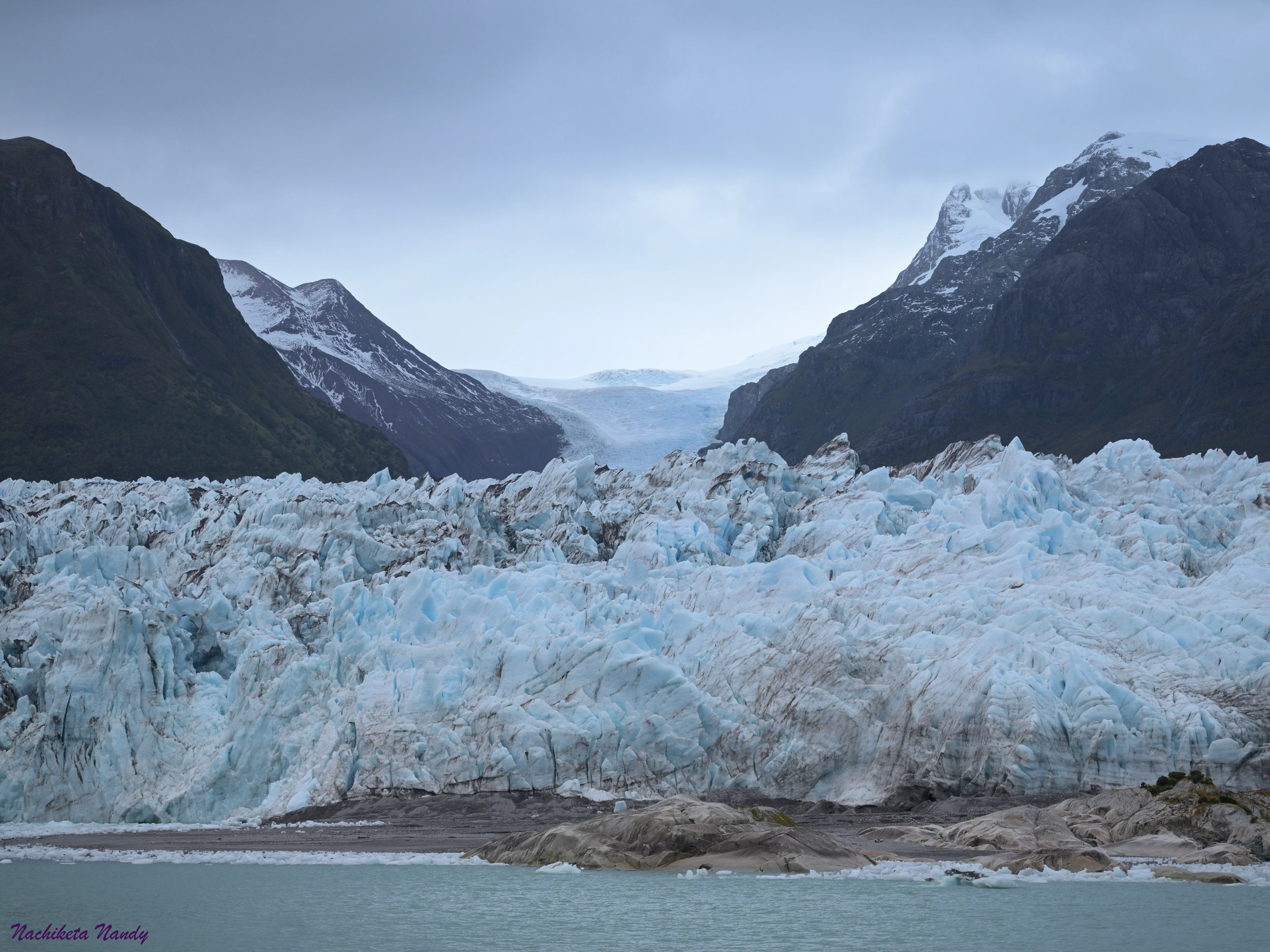
To round out the experience, I added four more days aboard a Kaweskar Cruise, navigating through Patagonia’s northern icy fjords and exploring remote islands dotted with massive glaciers.
Both adventures were based out of Puerto Natales, a small and charming village about a 2.5-hour flight from Santiago. The town offers a range of accommodations for different budgets and has a relaxed, local feel. For seafood lovers, dinner at Santolla is a must—especially for their fresh king crab, a regional specialty.
For the Kaweskar Cruise, we arrived at the pier in Puerto Natales at 8:45 a.m. on April 6. Our cruise manager, Victor, handled the formalities—collecting copies of passports and PDI documents—and briefed us on ship rules and safety procedures. Read more
By 11:30 a.m., the ship set sail with just 33 passengers on board, creating an intimate and relaxed atmosphere. That afternoon, we reached an isolated island inhabited by a colony of Southern elephant seal. We boarded a small boat to observe them up close, an incredible first wildlife encounter.
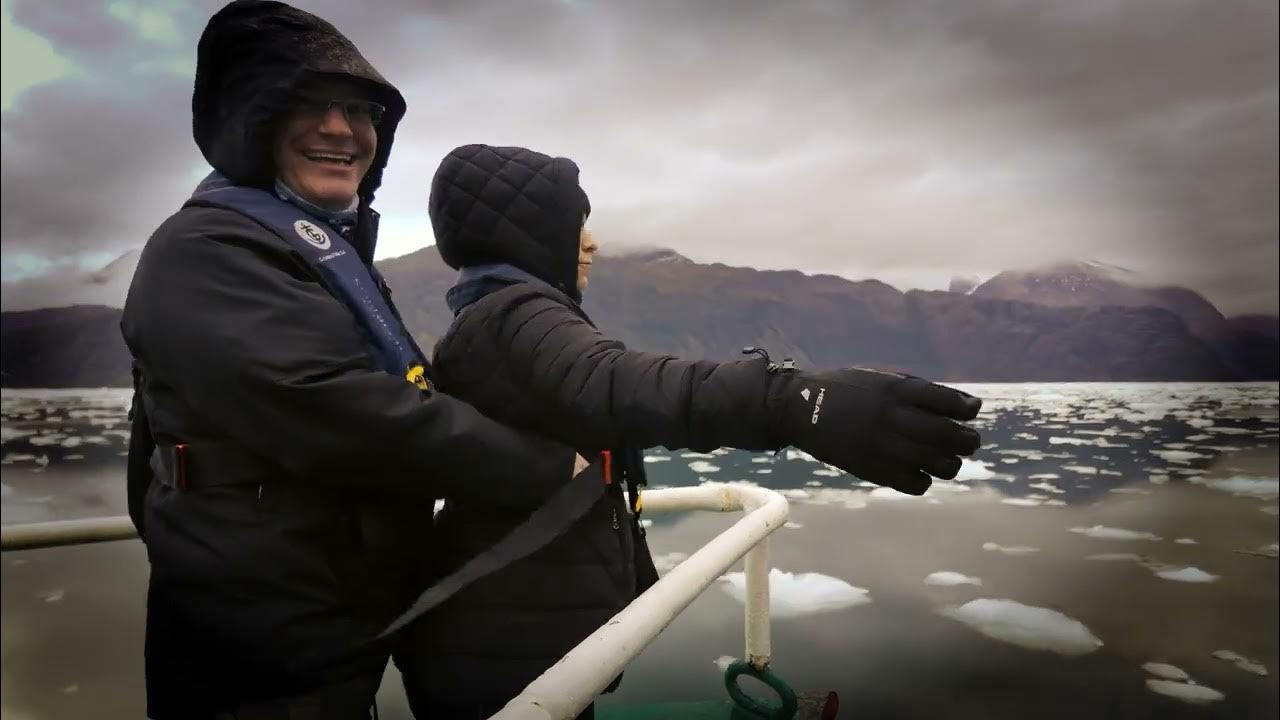
The next day began with a journey to Amalia Glacier in the morning, followed by Guillard Glacier in the evening. To approach Amalia Glacier, we boarded a small boat that carefully navigated through floating ice. The glacier’s immense width was striking, and we could frequently hear the deep cracking sounds of shifting ice.
On the third day, we explored Calvo Fjord in an open (but roofed) boat, which offered some protection from the rain while keeping us close to nature. En route to El Brujo Glacier, we spotted colonies of Leopard seal resting on rocks near the glacier.After lunch, we reached El Brujo Glacier. The terrain was rocky, but the crew organized small boat landings so we could step ashore at the base of the glacier. We spent about an hour there taking photographs and observing wildlife, including ducks and the striking Carancho.
The plan for the following day was to disembark at Bernal Glacier, but overnight the ocean turned rough. By morning, strong winds and heavy rain made conditions unsafe. The captain made the call to cancel the landing and instead navigated back toward Puerto Natales for safety.
That evening, we enjoyed a special farewell dinner onboard, sharing great food and laughter with the crew. We disembarked the next day, April 10, after breakfast and checked back into our hotel in Puerto Natales.
Puma and Guanaco — Predator and Prey
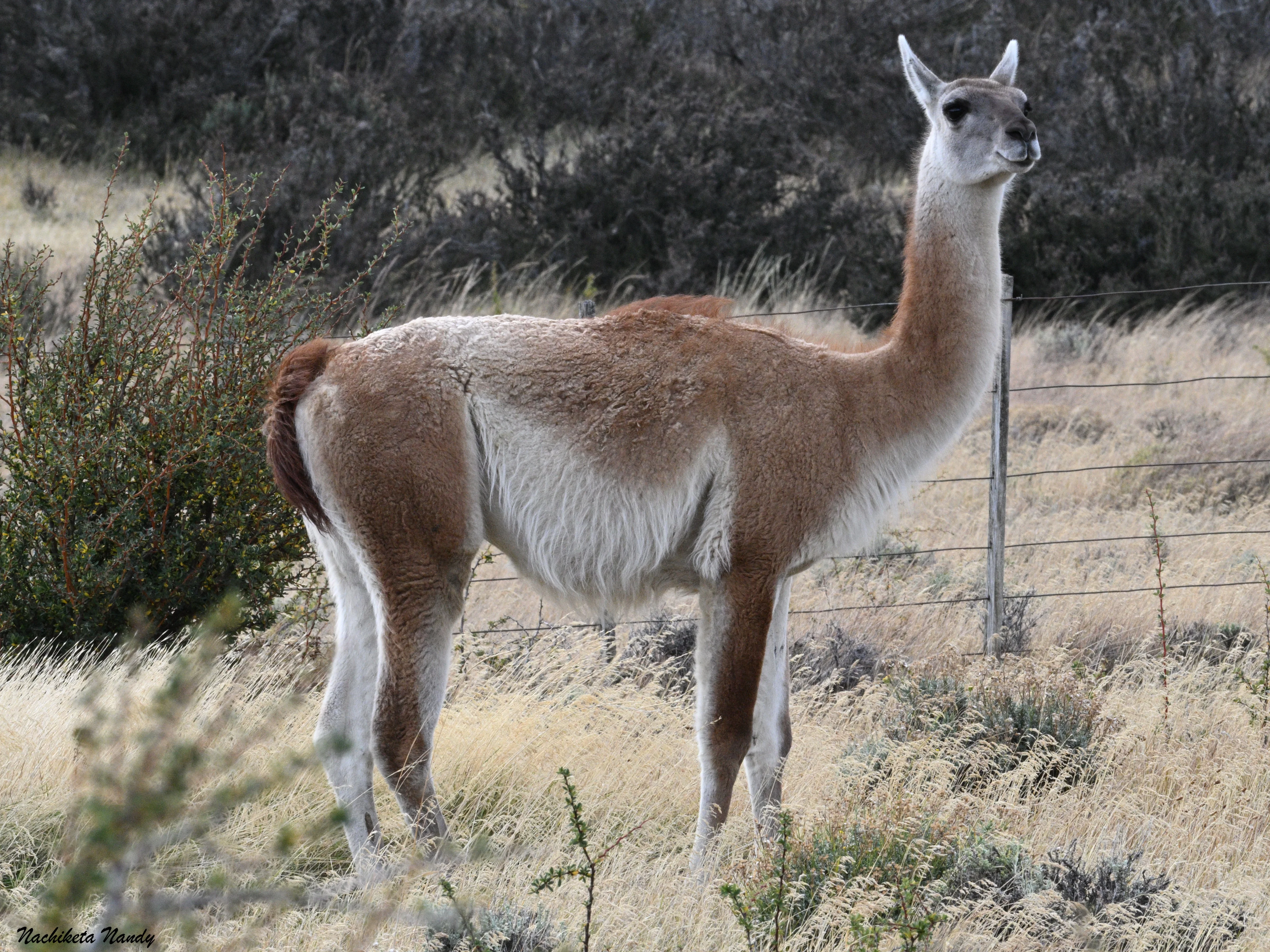
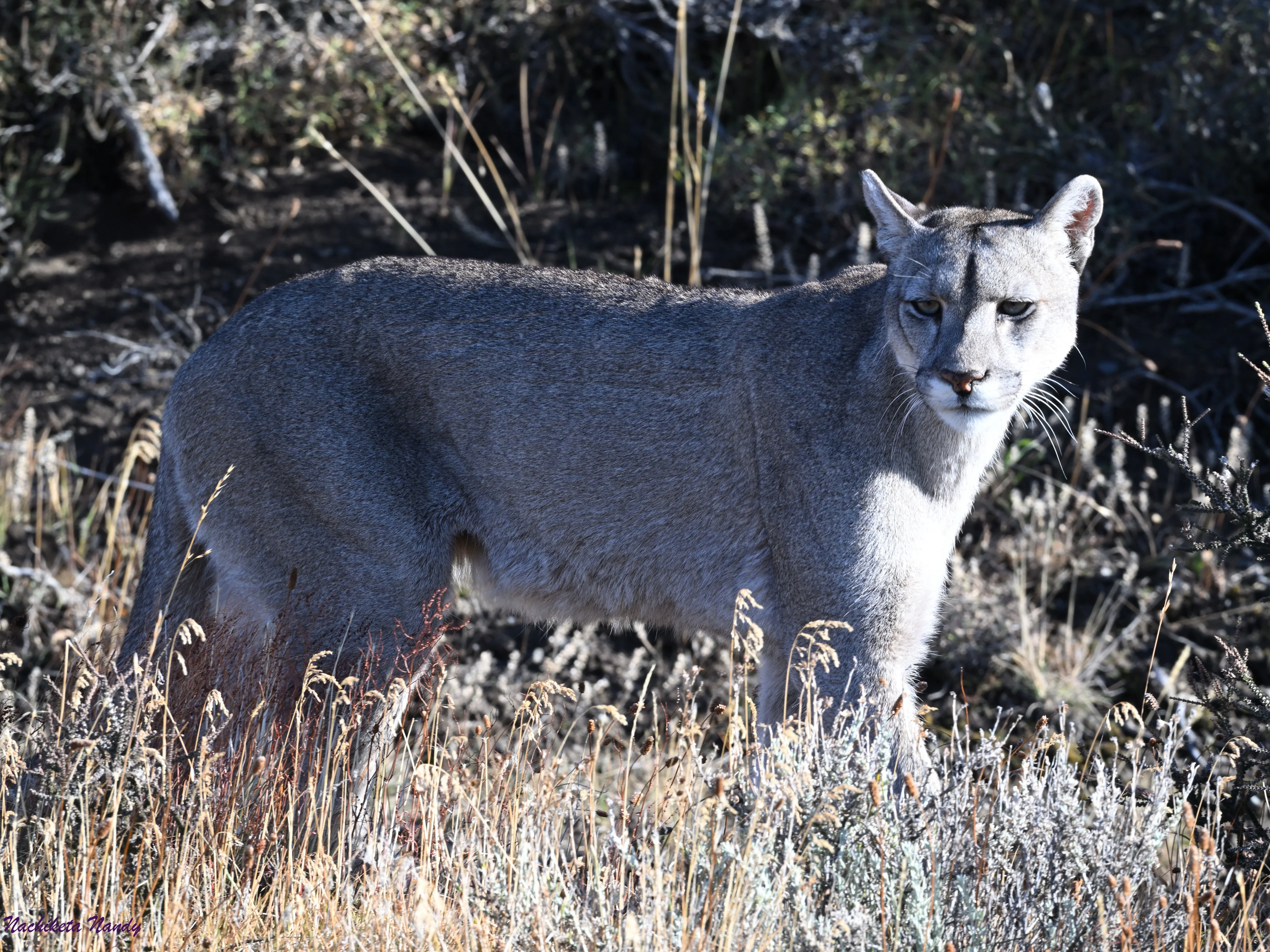
In Torres del Paine National Park, the relationship between the Puma and the Guanaco is one of nature’s most fascinating balances. They share the same rugged terrain, endure the same harsh weather, and understand each other’s behavior intimately—yet their survival is intertwined.
Pumas depend on guanacos as a primary food source, while guanaco populations are naturally regulated through predation. Guanacos typically live in herds across open valleys, grazing on vegetation, while a sentinel stands watch from higher ground, alerting the group at the first sign of danger. Pumas, in contrast, rely on stealth. They are ambush hunters—concealing themselves in brush before launching powerful uphill attacks, reaching speeds of 65–70 km/h. While not as fast as a cheetah, they compensate with strength and precision.
Yet the hunt is never guaranteed. A guanaco’s defensive kick can seriously injure or even kill a puma, and its strong neck can resist or deflect a fatal bite. Nature maintains balance: only about 2–3 out of every 10 hunting attempts succeed. When successful, a single kill can sustain a puma for nearly a week. Read more
Tracking the Elusive Predator
Our guide, Victor Vega, met us at our hotel in Puerto Natales to outline the plan for the next four days. His partner, Raphaelle, would be our driver and field expert.
Tracking pumas is as much science as intuition. These elusive cats are most active at dawn and dusk, though hunger can drive them to hunt at any hour. The park itself spans roughly 450,000 acres of mountains, rivers, glaciers, and grasslands, and visitors must remain on designated routes.
The tracking process begins with observation—especially of guanaco behavior. Trackers watch sentinel guanacos for alarm calls or sudden movements. Thermal cameras help detect heat signatures in the cold landscape, and communication between trackers across different areas increases the odds of a sighting. Even circling Andean condor can signal a recent kill, as they wait for a puma to abandon its prey.
Day-by-Day in the Field
Each morning, Raphaelle picked us up at 6:30 a.m. in his rugged vehicle, equipped with radio and tracking gear. It was still dark as we entered the park around 7:45 a.m., scanning the terrain through thermal imaging.
Day 1:
We explored the eastern region—Lake Azul and Lake Amarga. Guanacos were everywhere, but no sign of a puma.
Day 2:
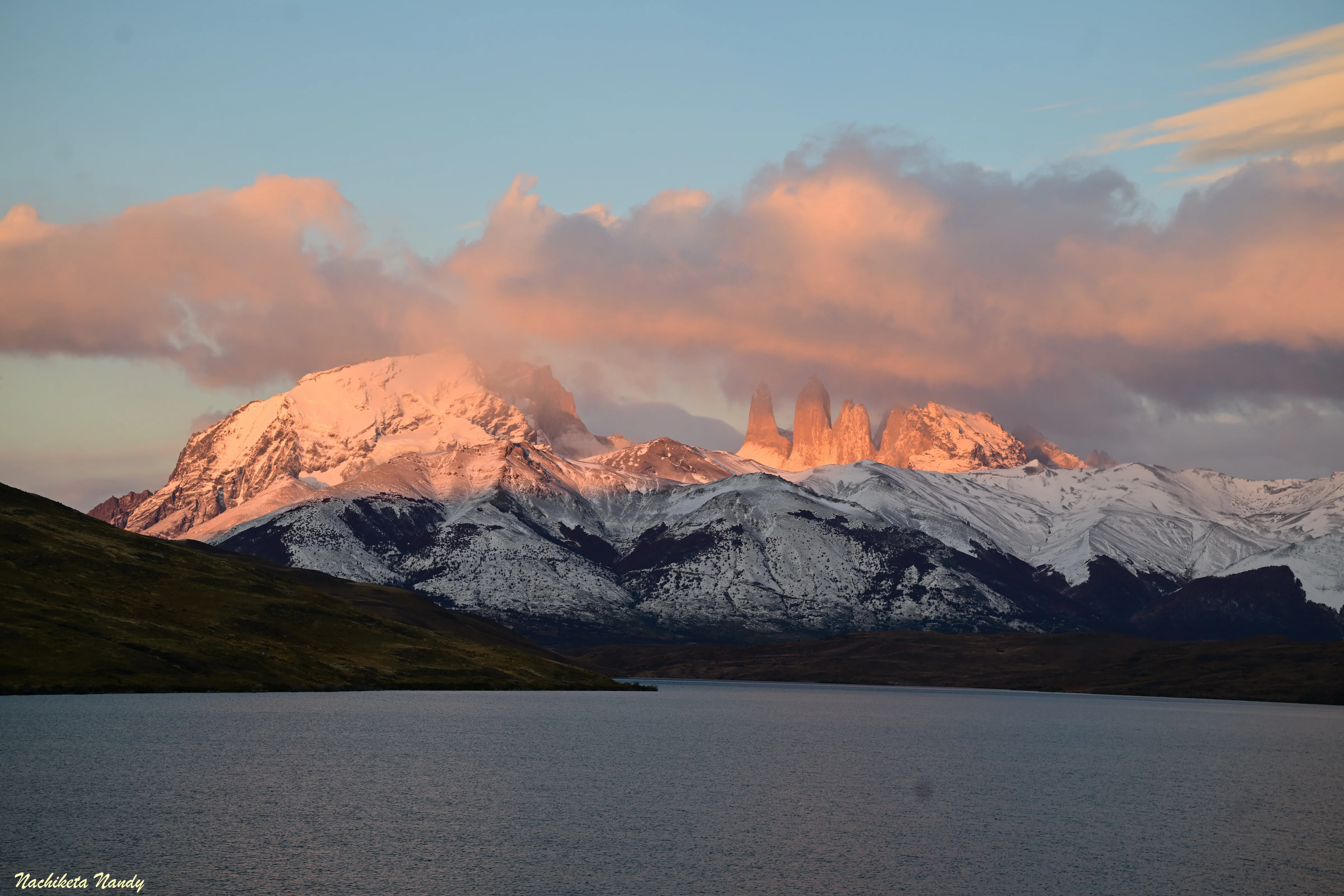
At sunrise, we photographed the iconic granite towers reflecting in Lake Amarga. Later, we found the remains of a young guanaco killed overnight—likely by a puma—but the predator had already moved on, leaving the carcass to condors. That afternoon, near Lake Sarmiento, we finally had our first sighting: a large female puma named Lenga with her seven-month-old cub, Niire. They appeared briefly, about 300 meters away, before vanishing into the brush.
Day 3:
We explored the Lazo area and drove along Route 9 past Hotel Cerro Guido. The landscape was alive with wildlife—guanacos grazing, Rheas moving across the valley, and condors soaring overhead. There were few Estancias with their herd of ships and horses. We drove further north to Estancia 3R, which is owned by a widowed lady Martha. There is a myth that during every winter, indigenous people visit the Estancia to stay warm.On our way we even found an older guanaco carcass, likely from a hunt two days prior, but again, no puma in sight.
Day 4 — A Perfect Ending:
By the final day, anticipation was high. The Patagonian wind was fierce, but Raphaelle remained focused, scanning constantly with his thermal camera. After hours of searching, a message came through: a puma had been spotted near Lake Sarmiento.
We drove quickly, scanning the hillsides with binoculars. Then—success. Raphaelle located the cat high on the mountain, moving toward the road. We waited; cameras ready.
At around 11:30 a.m., she appeared—just 100 meters away.
This was Amarga, a six-year-old female puma named after Lake Amarga. Unlike more dominant hunters, she survives mostly on smaller prey like hares. Calm and seemingly unbothered by our presence, she descended toward a stream, drank briefly, and began to climb back uphill.
Then came the moment that made the entire journey unforgettable.
She paused and emitted a high-pitched call. Within seconds, two tiny cubs emerged from the brush, running toward her. She greeted them with soft purring and gentle grooming—a rare and intimate glimpse into the life of this elusive predator.
It was, without question, the most beautiful moment of the trip.
We left the area fulfilled, later driving toward Lake Pehoé for sweeping views of Patagonia’s dramatic landscape before returning to our hotel.
Click on the thumb below to explore the pictures